


I spent years using lemmings as my go-to metaphor for groupthink.
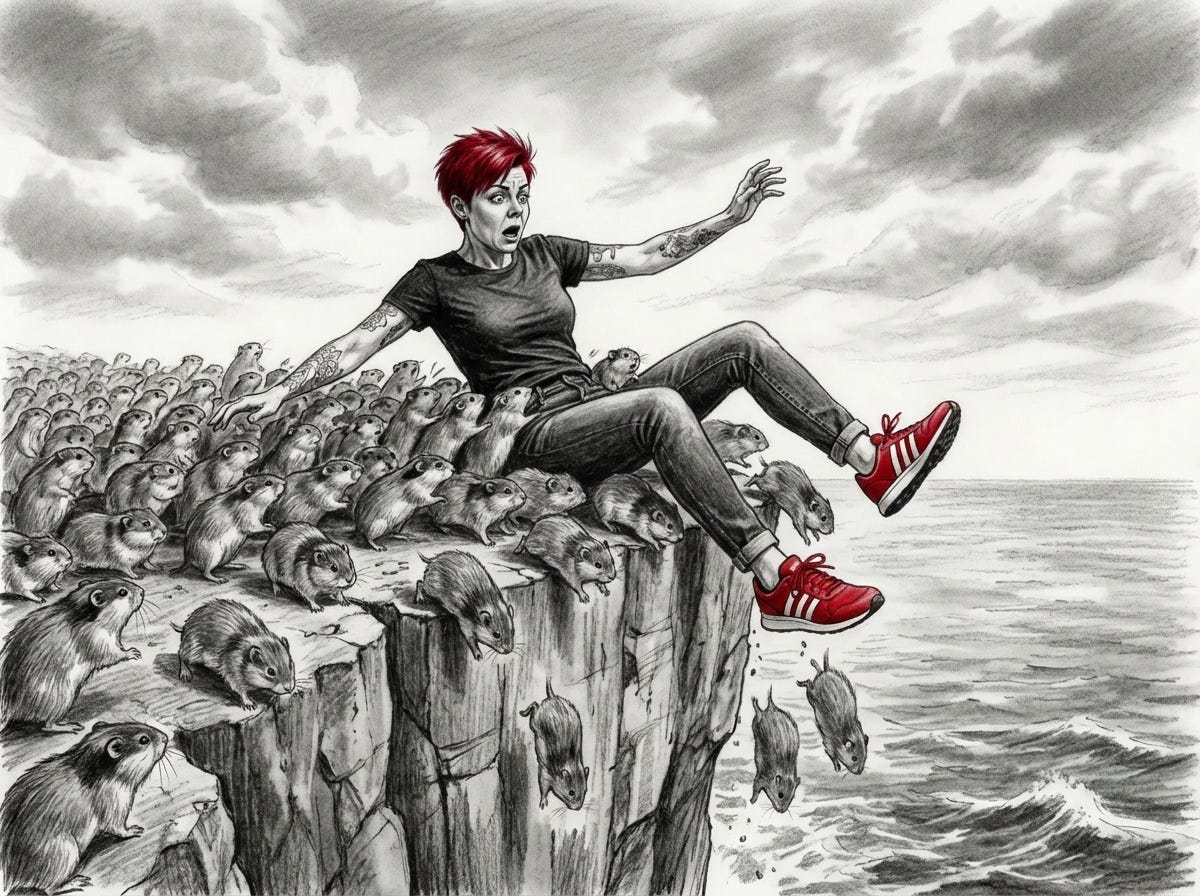
You know the image: a mass of small rodents blindly following each other off a cliff. Perfect visual for teams making terrible decisions because everyone else is doing it.
Then I recently learned the lemmings never actually did that.
Disney faked it. For a 1958 documentary called White Wilderness. They literally imported lemmings to Alberta (where they don’t even live), herded them toward a cliff, and pushed them off using a turntable. What?!
The entire thing was staged.
And for decades, we’ve been citing it as nature’s perfect lesson in blind conformity.
The mental whiplash was real. I’d been repeating this “fact” for years without ever questioning it. Never occurred to me to look it up. Why would it? Everyone knows lemmings jump off cliffs.
Except they don’t.
Oh, and while we’re at it: frogs don’t stay in slowly boiling water either. That’s another myth. A frog will jump out when the water gets uncomfortable. The boiling frog metaphor for gradual decline? Also based on fake science from the 1800s.
We’ve been building leadership lessons on animal behavior that never actually happened.
Living on autopilot
We all run on autopilot. We have to. We can’t fact-check every single thing we hear or spend our days researching the origins of every metaphor we use.
Autopilot is efficient. It lets us function without constantly questioning whether the sky is actually blue or if gravity still works today.
But here’s the catch: autopilot also accumulates debris.
Half-truths we never verified. Advice from people who sounded confident but had no idea what they were talking about. Patterns we copied without understanding why. “Best practices” that were just one person’s opinion that happened to spread.
Most of the time, it doesn’t matter. The lemmings metaphor still works, even if the facts are wrong. Groupthink is real. Gradual decline happens. The images are vivid. No harm done.
But sometimes it does matter.
In leadership and engineering, autopilot shows up as:
Processes we follow because “that’s how we’ve always done it” (but no one remembers why)
Beliefs about what good leadership looks like that came from one manager we admired 10 years ago
Technical patterns we cargo-cult without understanding the original context or constraints
Assumptions about users, teams, or systems that we inherited from someone else and never tested
We build entire mental models on things we absorbed once and never questioned.
Lemmings and frogs are just two examples. There are plenty more:
“Move fast and break things.” Everyone still quotes this as Facebook’s ethos. They changed it to “Move fast with stable infrastructure” in 2014. We’re a decade behind.
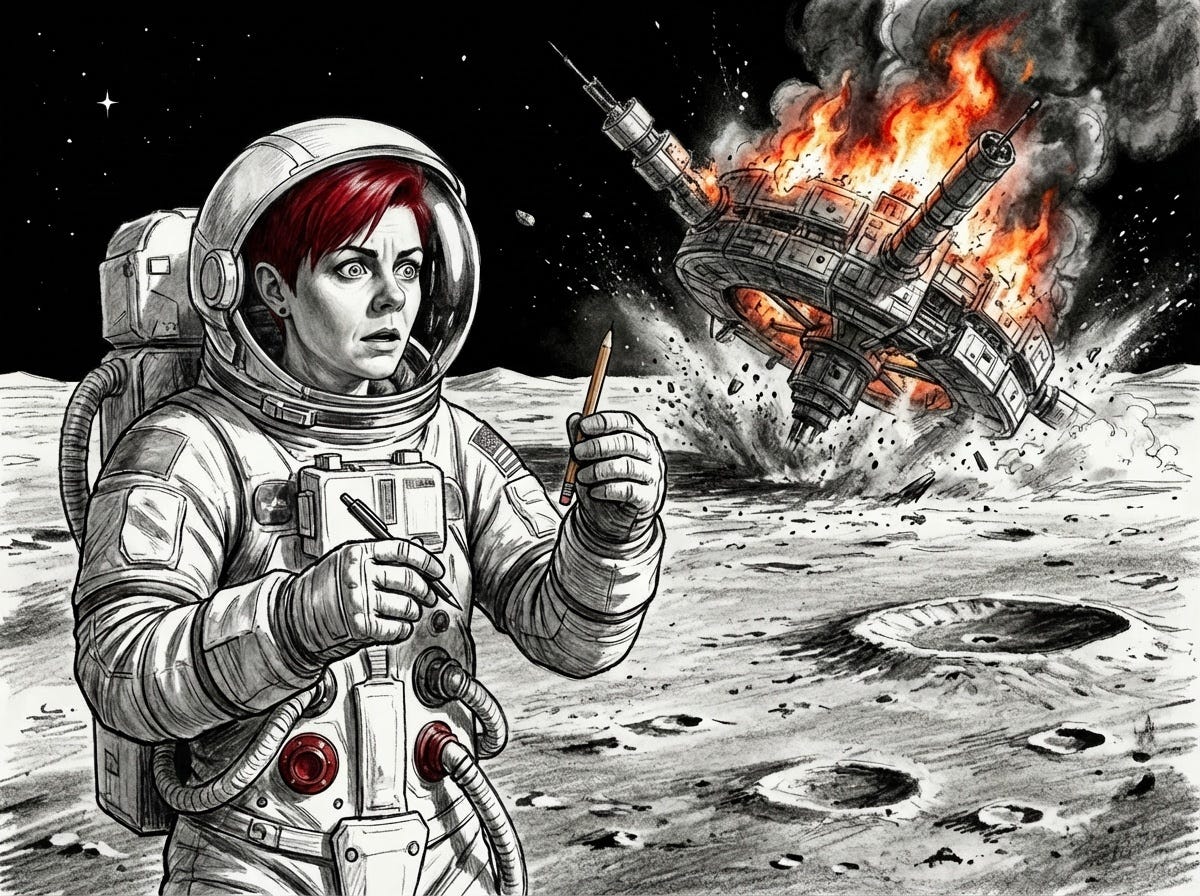
The story goes NASA spent millions developing a pen that works in space while Russians just used pencils. Sounds like a perfect lesson in over-engineering, right? Except it’s false. Fisher developed the pen privately, and both space programs bought them because pencil graphite is a fire hazard in spacecraft. (Watch the full story)
Or take the 10,000 hour rule. Gladwell popularized it, and now everyone treats it as gospel for mastery. “Just put in your 10k hours!” But it’s a bastardization of Ericsson’s research. The original study was about deliberate practice in narrow domains like chess and music. You can practice badly for 10,000 hours and stay mediocre. The nuance got lost. The slogan survived.
The pattern repeats: vivid story, sounds true, gets repeated until it becomes “common knowledge.”
The opportunity to unlearn
The holidays are perfect for this. People are in skimming mode, not deep-work mode. Which makes this a good moment for a quick mental reset.
Pick one thing you “know” and check it.
Not because you’re wrong about everything. Not because autopilot is bad. But because it’s useful to clear out the debris every once in a while.
Try these:
That leadership advice you keep repeating.
Did you test it? Or did you hear it once, thought it sounded smart, and added it to your toolkit without ever validating whether it actually works?
That “best practice” you inherited from a team three jobs ago.
Is it still relevant? Was it ever relevant? Or was it just the solution to a problem that company had that your current team doesn’t?
That belief about how teams work.
Did you learn it from experience? Or did you read it in an article, nod along, and file it away as truth?
That assumption about what users want.
Have you asked them recently? Or are you still operating on feedback from two years ago when the product, market, and users were different?
You don’t need to overhaul everything. That’s exhausting and unnecessary. Just pick one thing.
Question it. Look it up. Test it. Ask someone who would know.
You might discover you were right all along. Great. Now you know instead of assume.
Or you might discover they lied about lemmings. Also great. Now you can stop building decisions on faulty foundations.
The real lesson
I spent years thinking lemmings were the perfect metaphor for groupthink. Turns out, the metaphor still works. Just not the way I thought.
The real lesson isn’t that lemmings jump off cliffs. It’s that we believed they did because someone showed us a documentary and we never questioned it.
We saw footage. We heard narration. We assumed it was true. We repeated it.
That’s not stupidity. That’s how humans work. We trust authoritative-sounding sources. We accept vivid images as evidence. We don’t have time to verify everything.
But every so often, it’s worth pausing and asking: is this actually true? Or did I just absorb it on autopilot?
Autopilot is useful. It keeps us moving. But every once in a while, it’s worth checking the map.
Maybe you’ll find out they lied about lemmings and frogs. Maybe you’ll find out your mental models need an update. Maybe you’ll confirm you were right all along and feel a little more confident in what you know.
Either way, you’ll know instead of assume.
And in a world where most of us are operating on autopilot most of the time, that’s worth something.
So while you’re skimming articles this week between holiday meals and year-end reflection, pick one thing.
One belief. One assumption. One “fact” you’ve been carrying around.
And check it.
You might be surprised what you find.
If this resonates, read Adam Grant’s Think Again. It’s entirely about the skill of questioning what you know and getting better at unlearning. Worth your time.