


I enjoy nice things. I appreciate beauty — the kind you see in good design, thoughtful details, or simply someone who didn’t get dressed on autopilot.
But here’s a confession: despite being a woman, which comes with an unspoken expectation to care a lot about appearances, I’m also a geek — which conveniently gives me full permission not to. And honestly? The geek side usually wins.
Nice things are great, but they’re rarely practical, and practicality is the only reason my mornings function without collapsing.
For years, I’ve followed the Steve Jobs school of clothing. A personal uniform — dark T-shirt, jeans, comfortable red sneakers — saves my precious decision-making energy for more urgent missions: feeding two cats, convincing a 10-year-old to get dressed, getting myself ready, and prepping the apartment so the robot vacuum doesn’t choke on a LEGO and perish.
All in under 30 minutes.
Efficiency or survival? At that hour, the line is blurry.
Something’s gotta give. In my case, it’s usually elegance. (Dignity survives. Mostly.)
During the day, it only becomes more obvious why the “uniform” wins. I’m moving around the office, bouncing between teams to keep them aligned, sketching ideas on whiteboards, and occasionally climbing on furniture because I’m short and so is life. High heels and elegant suits don’t help much in my environment — unless the goal is to sprain an ankle and ruin my afternoon.

I appreciate craftsmanship and beauty — I just recognize it in many forms: the intentionally designed, the quietly functional, and the charmingly imperfect.
My favorite combo? A sharp suit with delightfully questionable socks. That’s my kind of person. At least I know you’re human.
Appearances are fun, sometimes helpful, occasionally hilarious… but they’re wildly overrated when it comes to understanding who someone is.
Looking the part is easy, being the part is harder
Appearances alone rarely impress me. Someone can look impeccable and still be unkind, dismissive, or completely unaware of the people around them. What does impress me is how someone treats the folks most others overlook — support staff, cleaners, the “invisible” roles that keep everything running. That’s where character shows up long before style does.
You can wear the nicest clothes in the room and still be a terrible human — the outfit won’t save you.
And yet… pretend appearances don’t matter at all, and you’ll learn quickly how fast people make assumptions. Presentation doesn’t define your character — it simply influences whether people bother to look for it.
(Job) titles work the same way. A title won’t turn anyone into a leader, but give a true leader the title and they can usually do far more good with it than without.
Authority doesn’t create the substance — it just amplifies whatever is already there.
When someone hides behind a title or dresses the part without doing the work, teams feel it immediately. When someone leads from character, people follow them even without permission.
The title doesn’t make the leader. People decide whom they trust.
Minus one, but leading anyway
A few days ago, we were joking about performance reviews when one of our younger team members mentioned a tech-leadership meetup he’d attended. They were discussing 1:1s, and when he shared how he’d approach them, the group immediately assumed he was a seasoned leader.
I asked how much leadership experience he actually has.
His answer: “Minus one.”
No title, no formal authority, no management track — nothing.
I wasn’t surprised they misread him. Some people carry the fundamentals long before they carry the title. He’s one of them: the human touch, humility, listening first, and understanding how their actions land on others. With real experience, those instincts turn into range, judgment, and the kind of leadership that lifts others.
And then there are those who get the title first and only later realize they’re starting at level zero. They can absolutely grow into great leaders, but only if they’re honest enough to admit it and actually do the work.
Most leaders aren’t born — they’re built along the way
Natural predisposition helps, but leadership doesn’t develop by accident. The rest of us learn it through hard moments, mistakes that leave a mark, and the pressure that forces us to stretch past who we were yesterday.
Most leaders are forged in the work, not born into it — and the ones who’ve had to earn every inch often become the steadiest hands when things get tough.
Leadership is not a costume you wear
Leadership starts in the unglamorous places: self-awareness, emotional intelligence, understanding what motivates humans (including yourself), and the discipline to take responsibility when deflecting would be easier.
Anyone can “lead” when everything is smooth. The real test is how you show up when things get messy — when pressure rises, the plan falls apart, and the team needs steadiness more than speed.
I’ve worked with leaders of every shape and flavor: presidents of boards, CEOs, CTOs, CPOs, founders, tech leads, and managers. I’ve worked alongside and led engineers, PMs, QAs, support teams… the whole ecosystem. And across all of it, one pattern keeps repeating: the title has never been the thing that made someone a leader.
That part always came from who they were, not what was printed under their name.
Leading without authority is real leadership in its purest form
Do you need a title to lead? Absolutely not.
Many of the strongest leaders I’ve seen started by influencing without any formal authority. People followed them not because they had to, but because they trusted their judgment and knew they’d get context, a clear “why,” and a sense that everyone was in it together.
That kind of leadership can’t be assigned — it has to be earned.

I’m proud of this teammate. I don’t manage him; we work side by side. But his habits speak loudly: humility, real connection with people, and the instinct to pick up the unsexy, no-glory work that simply needs to get done — the “I’ll take this one for the team” kind of ownership. For me, that consistency says everything about who he’s becoming.
A kind reminder for all the leaders and leaders to be
You don’t need a title to lead.
You need trust.
You need clarity.
You need the courage to say what others won’t.
You need the consistency that makes people feel safe following you, even when you can’t promise certainty.
If people follow you because they trust your judgment — not because you’re their boss — that’s leadership.
That’s influence earned, not granted.
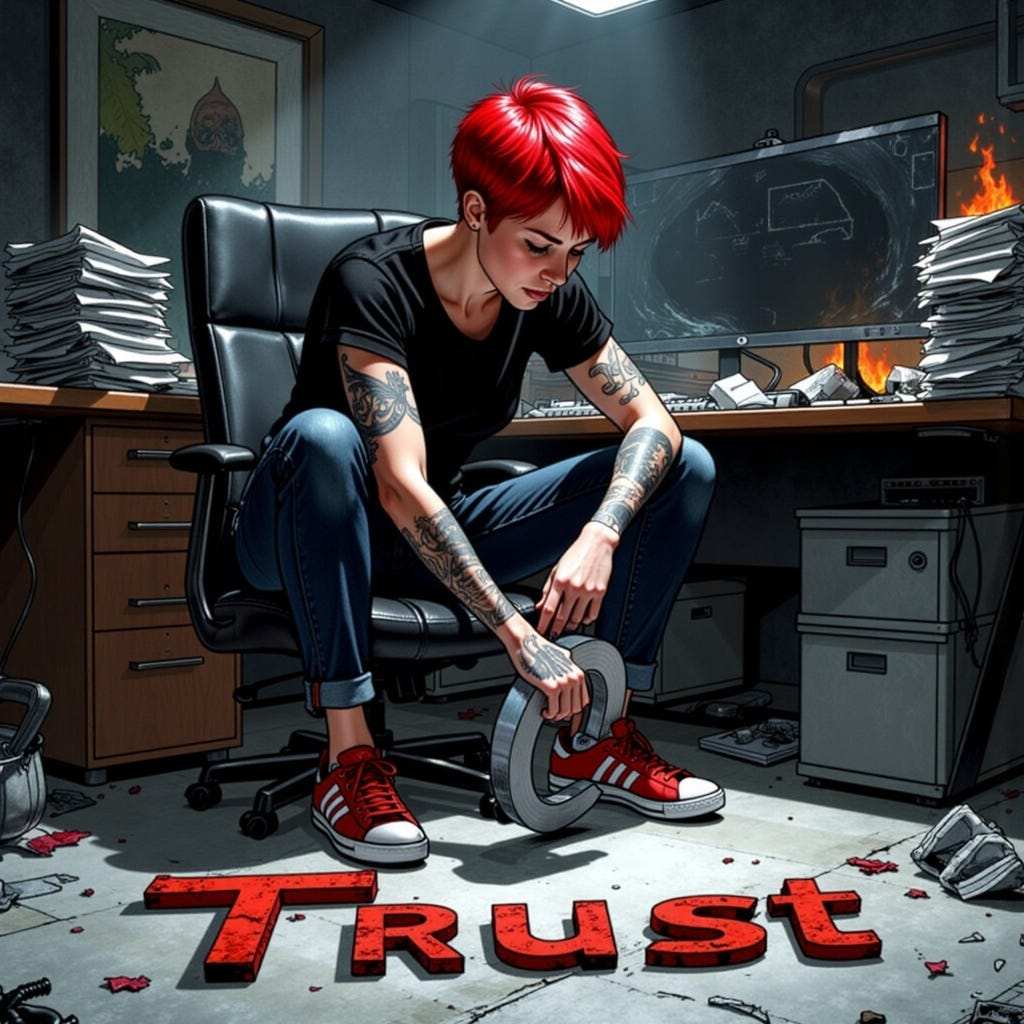
A note to the person who sparked this
(Yes, you. You know exactly who you are.)
You’re already practicing the kind of leadership many never grow into, even with impressive titles. You show up with humility. You put the team first. You take responsibility without being asked. You don’t hide when things get hard.
Leadership comes from within.
Protect it.
Practice it.
Let it grow long before any title catches up.
And it’s not just about him — it’s about all of us
I’ve seen great engineers avoid titles entirely — and even look down on people who know what they want to grow into. But an earned title gives you room to take on bigger responsibilities and extend your impact. Wanting that isn’t chasing status; for many, it’s part of the journey.
Ambition isn’t the issue. Treating all ambition the same is. Some leaders with titles have done the work — they’ve earned trust, built judgment, and proven they can carry the weight. They deserve respect. Others need a mirror, not a pedestal. Knowing the difference is part of being a good teammate.
When you meet someone who’s ambitious in a healthy way, learn what drives them. Support it. Help them grow into a stronger leader. We need more people who step up with integrity.
And when someone who already leads well steps into a title, it becomes a force multiplier. It extends their impact.
So when your own title arrives, use it well. It won’t make you a leader — but it will amplify the good you already do.
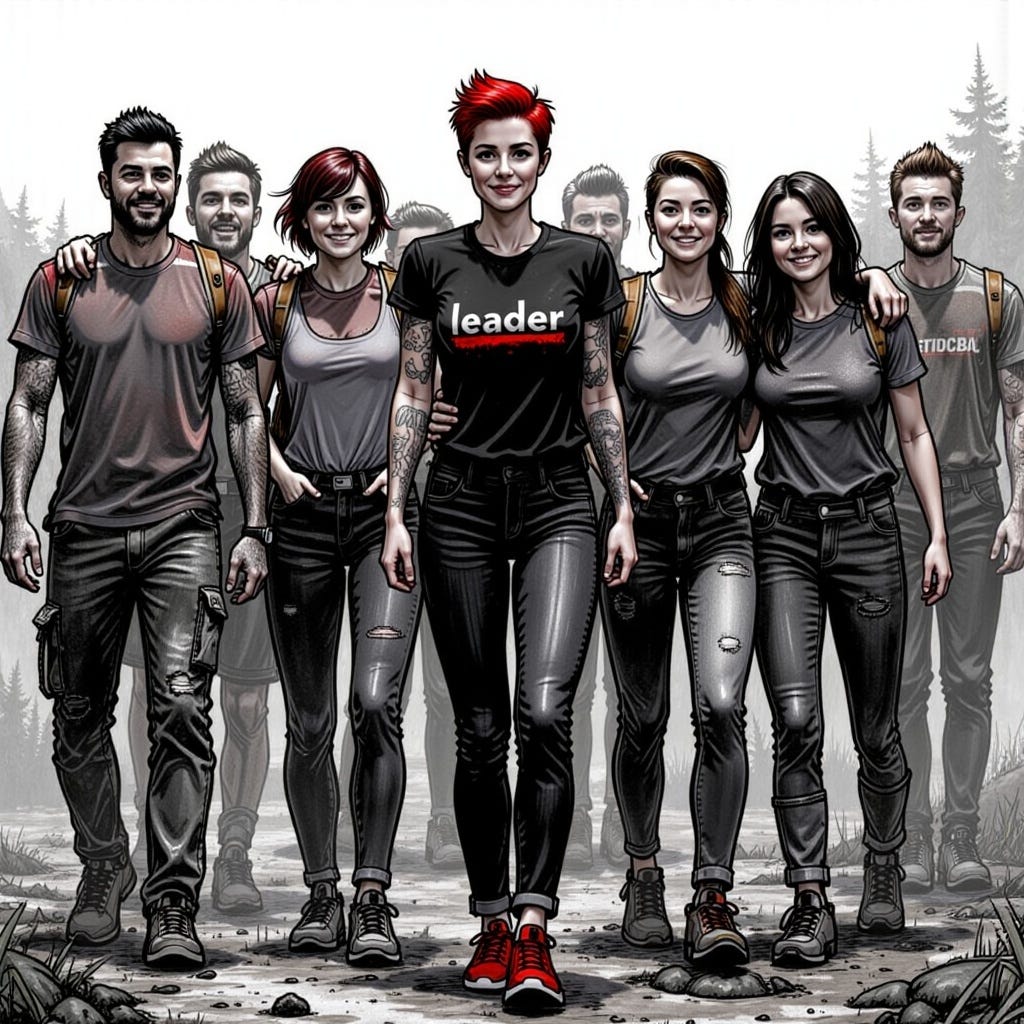
If this resonated, share it. If it challenged you, even better ;-)
If you’d like more stories about leadership, tech, culture, and the messy human systems we build around them, consider subscribing. I write about all of it — without the buzzwords.